Unleashing the Potential: A Journey from ChatGPT AI Conceptualization to Transformative Deployment on SaaS Platforms

The article 'Unleashing the Potential: A Journey from ChatGPT AI Conceptualization to Transformative Deployment on SaaS Platforms' delves into the transformative journey of ChatGPT AI, from its early conceptual stages to its strategic deployment on Software as a Service (SaaS) platforms. It highlights the evolutionary process, the innovative applications in human resource information systems (HRIS), and the profound impact on industrial productivity, underscoring the need for businesses to prepare for a future shaped by AI.
Key Takeaways
- ChatGPT's integration into SaaS platforms is a testament to AI's maturation and its increasing role in enhancing software capabilities.
- The evolution of HRIS through AI, particularly ChatGPT, is revolutionizing talent management and promoting diversity and inclusion.
- Strategic AI deployment requires a visionary approach, alignment with business objectives, and a culture that fosters innovation and continuous improvement.
- Case studies of companies like Siemens and Microsoft illustrate the tangible benefits of AI in industrial productivity and product lifecycle management.
- Anticipating future technological needs and fostering a collaborative environment are crucial for the successful implementation of AI in any industry.
The Evolution of ChatGPT: From Conceptualization to SaaS Integration
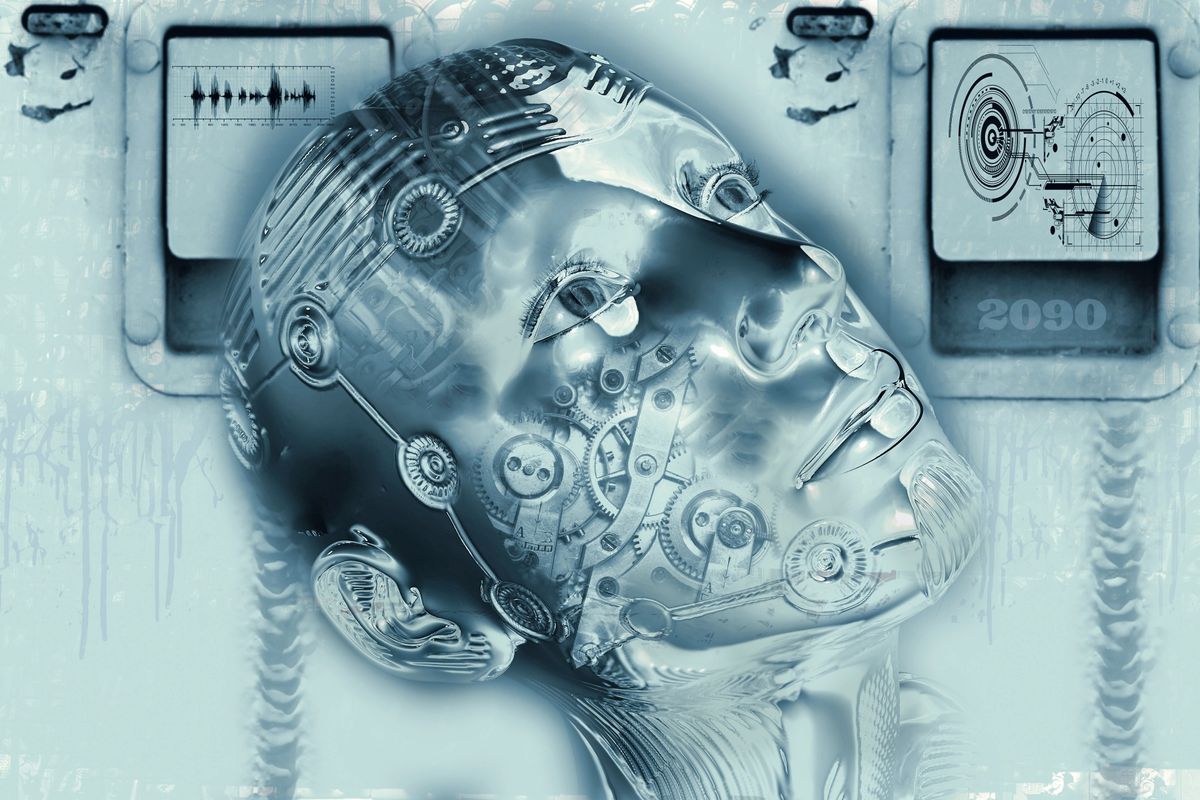
Tracing the Origins of ChatGPT and Its Foundational Technologies
The inception of ChatGPT is a tale of innovation and technological convergence. At the heart of its creation lies a rich tapestry of foundational technologies, each playing a pivotal role in shaping the AI we see today. Implementing ChatGPT in SaaS platforms is not just about embedding a tool; it's about integrating a transformative capability that reshapes user interactions and experiences.
- The genesis of ChatGPT began with the exploration of natural language processing (NLP) and machine learning algorithms.
- Advancements in deep learning architectures, particularly transformer models, provided the computational power necessary to process vast amounts of data.
- The integration of reinforcement learning from human feedback (RLHF) further refined ChatGPT's ability to generate human-like text.
The journey from conceptualization to deployment is marked by relentless pursuit of excellence and a commitment to pushing the boundaries of what's possible with AI.
As we delve deeper into the origins of ChatGPT, we uncover a narrative of relentless pursuit and ingenuity. It's a journey that began with the fundamental question of how machines can understand and generate human language. This quest led to the development of sophisticated algorithms and models that now serve as the backbone for implementing ChatGPT in SaaS solutions. The transformative impact of these technologies is not just a testament to human ingenuity but also a beacon for future innovations in the realm of AI.
The Development Lifecycle of AI Applications in SaaS Environments
The journey of ChatGPT Enhancements in SaaS Apps is a testament to the transformative power of AI in the SaaS industry. The development lifecycle of these applications is intricate, involving multiple stages from ideation to deployment. Initially, product teams face the daunting task of understanding and integrating various APIs, a process that is both time-consuming and complex.
- First, there's the decoding of each API, grappling with documentation, and data schemas.
- Then comes the writing of custom code, followed by rigorous testing.
- Finally, the implementation phase marks the culmination of weeks, if not months, of meticulous development.
The scalability of ChatGPT SaaS Automation Services hinges on the ability to streamline this process. By automating decision processes with AI, industries are shifting to data-backed strategies, fostering proactive decision-making and scalable growth.
Custom ChatGPT SaaS Applications are not just about the technology; they're about the strategic success they enable. As we harness AI and machine learning for predictive analytics, we revolutionize industries, paving the way for a future where SaaS platforms are not just tools, but partners in strategic success. Remember, the key to unlocking this potential lies in your hands. Embrace the journey, and let's transform the SaaS landscape together.
Strategies for Seamless Integration of AI into User-Centric SaaS Platforms
In the realm of SaaS innovation with ChatGPT, the integration of AI tools is not merely a feature; it is the cornerstone of transformative user experiences. ChatGPT AI SaaS solutions are redefining the landscape, offering a suite of ChatGPT-powered SaaS features that cater to the dynamic needs of users. The journey to enhancing SaaS with ChatGPT involves a meticulous orchestration of technology and design, ensuring that every ChatGPT integration in SaaS is purposeful and impactful.
To build SaaS with ChatGPT AI effectively, consider the following steps:
- Align AI objectives with user expectations to ensure that ChatGPT for SaaS productivity is not just a buzzword but a tangible reality.
- Foster a collaborative environment where product, design, and engineering teams can work together to deliver AI-driven SaaS platforms ChatGPT.
- Anticipate future needs by engaging in proactive planning, thus paving the way for conversational AI in SaaS ChatGPT to evolve alongside user requirements.
The essence of SaaS customer experience ChatGPT lies in its ability to adapt and grow. It is about creating an ecosystem where ChatGPT AI for SaaS innovation becomes a seamless extension of the platform's capabilities.
As we delve into the intricacies of building SaaS with ChatGPT AI, it is crucial to recognize that the integration process is a journey of continuous refinement. AI-Driven SaaS platforms ChatGPT are not static; they are living entities that thrive on innovation and user feedback. To remain at the forefront of SaaS innovation with ChatGPT, one must be willing to embrace change and harness the full potential of AI.
We invite you to join us in this exciting journey. Let's unlock the transformative power of ChatGPT integration in SaaS together. Embrace the future of SaaS innovation with ChatGPT, and let's create platforms that not only meet but exceed user expectations.
The Renaissance of HRIS: Leveraging ChatGPT for Human Resource Innovation
Revolutionizing Talent Acquisition and Management with AI
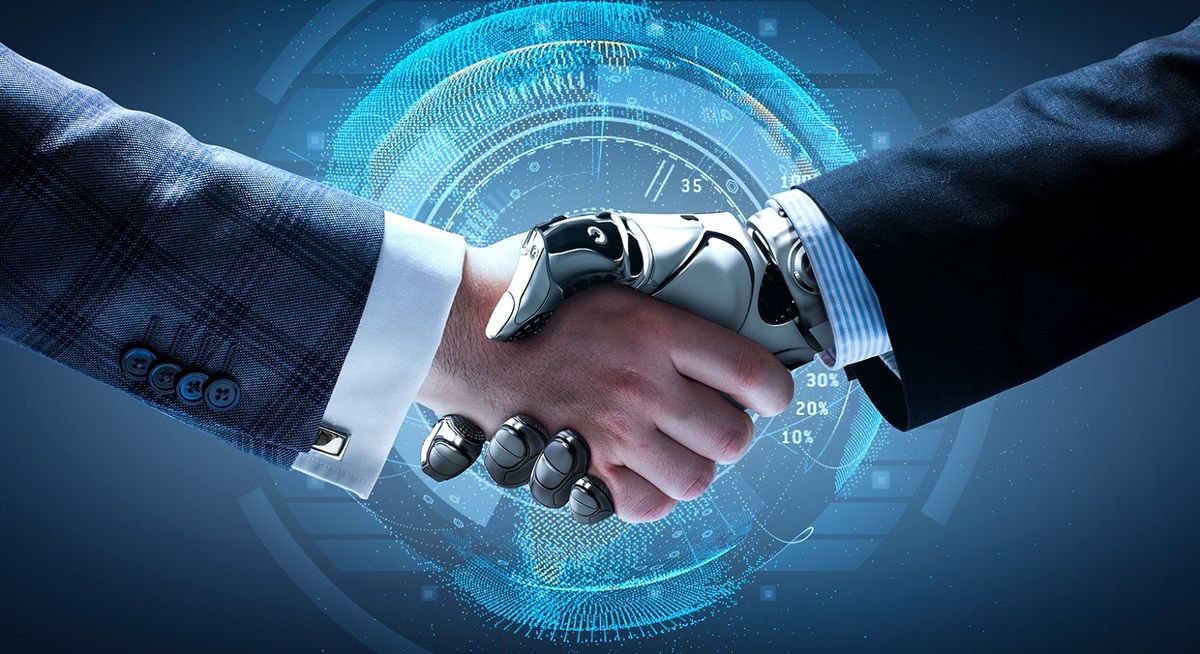
In the dynamic world of Human Resources, AI is not just a buzzword; it's a transformative force. AI-driven analytics are revolutionizing talent acquisition, providing personalized recommendations that align with both the candidate's aspirations and the company's strategic goals. This synergy is not just about filling positions; it's about unlocking business potential and fostering a workforce that is both diverse and highly skilled.
The integration of AI into HR systems is not a distant dream but a tangible reality that is reshaping the landscape of talent management.
Consider the following benefits that AI brings to the HR table:
- Enhanced candidate screening: AI algorithms can process vast amounts of data to identify the most suitable candidates, saving time and reducing human bias.
- Predictive analytics: By analyzing trends and patterns, AI can forecast hiring needs and help HR professionals plan more effectively.
- Employee retention strategies: AI can help identify factors that contribute to employee turnover and suggest proactive measures to increase retention.
The challenge for HR professionals is to embrace these innovations, not as replacements, but as partners in their mission to build and sustain high-performing teams. As we continue to navigate the complexities of the modern workplace, the question remains: Are we ready to harness the full potential of AI in HR?
Fostering Diversity and Inclusion through Intelligent HR Platforms
In the realm of human resources, AI is a game-changer, particularly in the pursuit of diversity and inclusion. Intelligent HR platforms, powered by AI, are transforming the landscape of talent acquisition and management by providing insights that were previously unattainable. These platforms analyze vast amounts of data to identify patterns and biases, enabling organizations to make more informed decisions and foster a workplace that truly reflects the diversity of the world around us.
By leveraging AI, companies can dismantle the barriers that have historically hindered the creation of diverse and inclusive environments.
The integration of AI into HRIS (Human Resource Information Systems) not only streamlines operations but also enhances the employee experience. A centralized system for managing all employee data ensures that everyone has access to the same information and opportunities, regardless of background or identity. Here are some key benefits:
- HR data visibility: Eliminates data silos and fosters greater organizational efficiency.
- Enhanced employee experience: Provides a unified platform for employees to manage their details, promoting equality.
As we continue to witness the AI revolutionizes talent acquisition, skills management, and customer loyalty, it's clear that the strategic deployment of AI in HRIS is not just a trend but a cornerstone for future-proofing businesses. Embrace the transformative power of AI and join us in shaping the future of employment. Apply to one of our open positions and be part of the change.
Building and Scaling High-Performing AI-Driven HR Teams
In the era of digital transformation, building and scaling high-performing AI-driven HR teams is not just an aspiration but a strategic imperative. The integration of generative AI into HR systems is revolutionizing the way we approach talent management, but the journey doesn't end with implementation. It's about fostering a culture where AI and human expertise synergize to create a dynamic, innovative workforce.
To scale effectively, HR teams must navigate the complexities of their operational tech stacks, which often comprise multiple employment systems. Our research indicates that, on average, companies utilize 6-7 such systems daily. Streamlining these through AI-powered workflow automation can lead to significant cost and time savings, propelling HR teams towards unprecedented efficiency.
The disparity in AI adoption within HR teams is striking. While 84% of HR executives believe their teams are using generative AI, only 34% of individual contributors report the same. Bridging this gap is crucial for unleashing the full potential of AI in HR.
The economic benefits of AI in HR are clear, with generative AI capable of automating tasks such as leave processing and report generation. However, the perception of AI as expensive and risky persists. To combat this, HR teams must be equipped with the right tools and knowledge to leverage AI effectively. Consider the competitive edge and economic benefits that can be achieved by leveraging OpenAI Feather and SIU Business GPT Fleet.
- Understand the current AI landscape within your HR team
- Identify opportunities for AI to automate routine tasks
- Equip your team with the necessary tools and training
- Foster a culture of innovation and continuous learning
By following these steps, HR teams can transform their operations and set a new standard for excellence in the industry. Embrace the journey of AI integration and watch as your HR team becomes a beacon of innovation and efficiency.
Strategic Deployment of AI on SaaS Platforms: A Roadmap for Success

Developing a Visionary AI Strategy Aligned with Business Objectives
In the realm of SaaS, the fusion of AI strategy with business objectives is not just a technical endeavor but a visionary pursuit. Influence decision-making processes by clearly articulating the technical vision and its alignment with business goals. This alignment is the cornerstone of a transformative AI deployment that not only enhances operational efficiency but also unlocks new avenues for innovation and competitive advantage.
- Provide vision and leadership for the AI engineering team.
- Drive technical excellence and innovation.
- Leverage Foundry's SDLC to design and build high-quality software.
The strategic roadmap for AI should be a living document, continuously evolving with the business landscape and technological advancements.
Collaborate cross-functionally with product, design, and engineering teams to deliver world-class AI-powered experiences. Engage in forward-looking planning, anticipating future technological needs and opportunities for innovation. By doing so, you ensure that your AI strategy is not only aligned with current objectives but is also agile enough to adapt to the unforeseen demands of the future.
Cultivating a Culture of Innovation and Continuous Improvement
In the realm of SaaS platforms, where the landscape is ever-evolving, cultivating a culture of innovation and continuous improvement is not just beneficial; it's imperative. This culture is the fertile ground from which transformative AI deployments, like ChatGPT, can flourish and drive business growth.
To foster such a culture, organizations must first establish a foundation of trust and empowerment, allowing every team member to contribute their best ideas without the fear of failure. This is echoed in the ethos of high-performing companies that prioritize low egos and receptive minds, creating an environment where ambition is not just encouraged but expected.
Embrace AI for business growth and innovation. AI insights drive competition, and companies like Stas4000 exemplify AI success, demonstrating the power of streamlined operations and automated workflows.
Here are some actionable steps to nurture this culture:
- Encourage cross-departmental collaboration to break down silos and foster diverse perspectives.
- Implement regular innovation challenges to stimulate creativity and problem-solving.
- Provide continuous learning opportunities to keep skills sharp and knowledge current.
- Recognize and reward contributions that drive the company forward, regardless of their origin.
By integrating these practices, businesses can not only adapt to the changing tides of technology but also lead the charge in their respective industries. The journey towards a culture of innovation is ongoing, and the rewards are limitless for those who commit to the voyage.
Anticipating Technological Needs for Future-Proof AI Deployments
As we stand on the brink of an AI renaissance, it is imperative to anticipate the technological needs that will underpin future-proof AI deployments. The rapid evolution of AI technologies demands a proactive approach to ensure that SaaS platforms remain competitive and innovative.
To achieve this, a strategic framework must be established, focusing on:
- Cross-functional collaboration to foster a holistic AI vision.
- Forward-looking planning to identify and leverage emerging AI opportunities.
- Investment in continuous learning and development to upskill the workforce.
By engaging in forward-looking planning, we not only prepare for imminent technological shifts but also open doors to unprecedented innovation and competitiveness.
Stas, a highly skilled AI expert, is a testament to the caliber of talent that can drive these initiatives. His ability to deliver tailored solutions that exceed expectations is crucial for SaaS platforms aiming to harness the full potential of AI. As we embrace this transformative journey, let us commit to a culture of continuous improvement and strategic foresight. The future of AI is not just about adapting to change—it's about leading it.
The Impact of Generative AI on Industrial Productivity: Case Studies

Siemens and Microsoft's Pioneering Use of AI in Product Lifecycle Management
In the vanguard of industrial innovation, Siemens and Microsoft have emerged as titans, harnessing the power of generative AI to redefine product lifecycle management (PLM). Their collaboration has birthed the Teamcenter app for Microsoft Teams, integrating AI to enhance productivity and spur innovation across the entire product lifecycle. This strategic alliance exemplifies how AI can be leveraged to create a symbiotic relationship between human ingenuity and machine intelligence.
The Siemens Industrial Copilot, an AI-powered assistant, is a testament to the transformative potential of AI in industrial settings. It is designed to augment human-machine collaboration, thereby elevating productivity to new heights. The partnership between Siemens and Microsoft is not just about technological integration; it's a blueprint for cross-industry AI adoption that promises to set a new standard for industrial productivity.
The convergence of AI with traditional industrial processes is not merely an upgrade; it is a complete overhaul of the productivity paradigm.
As we delve into the specifics, it's clear that the implications of this partnership extend far beyond the immediate enhancements to PLM. It's about building a future where AI is intricately woven into the fabric of industrial operations, driving sustainable development and operations in tandem with human expertise. Bles Software offers insights on AI, technology, and software solutions for businesses from startup to enterprise, focusing on leveraging AI for scalable growth and innovation.
Enhancing Engineering Teams' Performance with AI-Driven Tools
In the realm of SaaS platforms, the integration of AI-driven tools has been a game-changer for engineering teams. AI-driven analytics in SaaS companies lead to substantial revenue growth through mechanisms such as customer churn reduction and optimized pricing strategies. Personalized experiences, a byproduct of these analytics, drive loyalty and revenue increases.
The synergy between AI tools and engineering expertise is not just about efficiency; it's about redefining the boundaries of innovation and collaboration.
Engineering teams equipped with AI tools are seeing a transformation in their workflow. Here's how:
- Prioritization: AI helps in identifying the most impactful features to develop, aligning with user needs.
- Mentorship: Advanced analytics can guide less experienced engineers, accelerating their professional growth.
- Collaboration: AI facilitates better communication and understanding among team members, leading to a more cohesive unit.
The evidence is clear: companies that embrace AI tools not only enhance their engineering team's performance but also position themselves at the forefront of their industry. As we continue to witness the evolution of these technologies, it is imperative for leaders to foster a culture that embraces continuous learning and improvement. The future belongs to those who innovate – and AI is the torchbearer of this new era.
Strategic Alliances and Collaborations in AI-Driven Industrial Sectors
In the realm of industrial innovation, strategic alliances and collaborations are not just beneficial; they are imperative for staying ahead in a rapidly evolving market. AI-driven success stories showcase transformative power in business, from data quality improvements to demand forecasting accuracy, leading to increased sales and optimized inventory management. Harnessing AI for strategic advantage is crucial.
The synergy between companies like Siemens and Microsoft, or Yokogawa and Tsubame BHB, exemplifies the potential of such partnerships. By combining their strengths, these companies are able to accelerate the development and deployment of AI solutions, pushing the boundaries of what's possible in industrial productivity.
The following points highlight the essence of these collaborations:
- Joint development of innovative solutions
- Sharing of expertise and resources
- Creation of new market opportunities
- Enhancement of competitive edge
As we witness the unfolding of these alliances, it becomes clear that the integration of AI is not just a trend but a cornerstone of industrial competitiveness and sustainability. The call to action for businesses is to actively seek and foster these partnerships, leveraging AI to unlock new levels of efficiency and innovation.
Conclusion
In summary, the evolution of ChatGPT AI from a nascent concept to a transformative force on SaaS platforms epitomizes the dynamic nature of technological progress. The journey of conceptualizing, developing, and deploying AI applications like ChatGPT has not only revolutionized the software development landscape but has also catalyzed a renaissance in the way we approach problem-solving and innovation. As AI continues to have its 'moment,' it is essential to recognize that its integration into the fabric of SaaS platforms is the culmination of years of behind-the-scenes advancements. The accelerating investment in AI heralds a new era of disruptive technologies poised to reshape our professional and personal lives. As we stand on the cusp of this AI-driven future, it is imperative to prepare for the changes it will bring, ensuring that the potential of AI is harnessed to its fullest, fostering a culture of continuous learning, and promoting diversity and equal opportunity in its deployment.
Frequently Asked Questions
How has ChatGPT evolved from its initial conceptualization to integration in SaaS platforms?
ChatGPT has evolved through extensive research and development, leveraging foundational technologies in machine learning and natural language processing. The development lifecycle included iterative design, testing, and refinement, leading to its seamless integration into SaaS platforms, enhancing user experiences and productivity.
What are the key strategies for integrating AI like ChatGPT into SaaS platforms?
Key strategies include aligning AI capabilities with user needs, ensuring data privacy and security, creating intuitive UI/UX, and providing scalable infrastructure. Additionally, continuous learning and integration of user feedback are crucial for successful AI deployment in SaaS environments.
How is ChatGPT transforming HRIS and talent management?
ChatGPT is revolutionizing HRIS by automating routine tasks, providing data-driven insights for talent acquisition, enhancing employee engagement, and supporting diversity and inclusion initiatives. It facilitates more strategic HR functions and personalized employee experiences.
What is the importance of developing a visionary AI strategy for businesses?
Developing a visionary AI strategy ensures that AI deployments are closely aligned with business objectives, fostering innovation and driving competitive advantage. It helps anticipate future tech needs, enabling businesses to stay ahead of the curve and adapt to changing market demands.
Can you provide examples of how generative AI like ChatGPT has impacted industrial productivity?
Siemens and Microsoft's collaboration on Teamcenter app for Microsoft Teams demonstrates the impact of AI on industrial productivity. Generative AI has streamlined product lifecycle management, boosted innovation, and improved collaborative efforts across engineering teams.
What are the future-proofing considerations for AI deployments on SaaS platforms?
Future-proofing AI deployments involves anticipating technological advancements, ensuring AI systems are adaptable and scalable, investing in talent development, and maintaining a culture of continuous improvement. It also requires compliance with evolving regulatory standards.
Comments
Post a Comment