Unleashing Innovation: The Journey of Integrating ChatGPT AI into SaaS and the Future of Software Development

In the article 'Unleashing Innovation: The Journey of Integrating ChatGPT AI into SaaS and the Future of Software Development,' we delve into the transformative journey of incorporating ChatGPT AI into Software as a Service (SaaS) platforms. This exploration covers the conceptual foundations, strategic implementations, and the far-reaching impact on software development practices. We highlight the opportunities and challenges faced in this integration process, the resulting enhancements in developer productivity, the evolution of customer support paradigms, and the innovative changes in human resource management. Join us as we examine the current state and future prospects of AI's synergy with SaaS, shaping the next generation of business solutions.
Key Takeaways
- Integrating ChatGPT AI into SaaS is a transformative process that enhances platform capabilities and fosters innovative business models.
- AI's role in software development is rapidly evolving, with ChatGPT enhancing productivity, code generation, and quality assurance.
- AI-powered customer support in SaaS is revolutionizing interactions and personalization, significantly impacting customer satisfaction.
- The synergy between AI and SaaS is streamlining HR processes like recruitment and onboarding, while also addressing ethical considerations.
- The future of SaaS is intrinsically linked to AI, with next-generation solutions emphasizing scalability, agility, and an AI-driven ecosystem.
Conceptualizing AI Integration in SaaS: Foundations and Strategies
Identifying Core Challenges and Opportunities
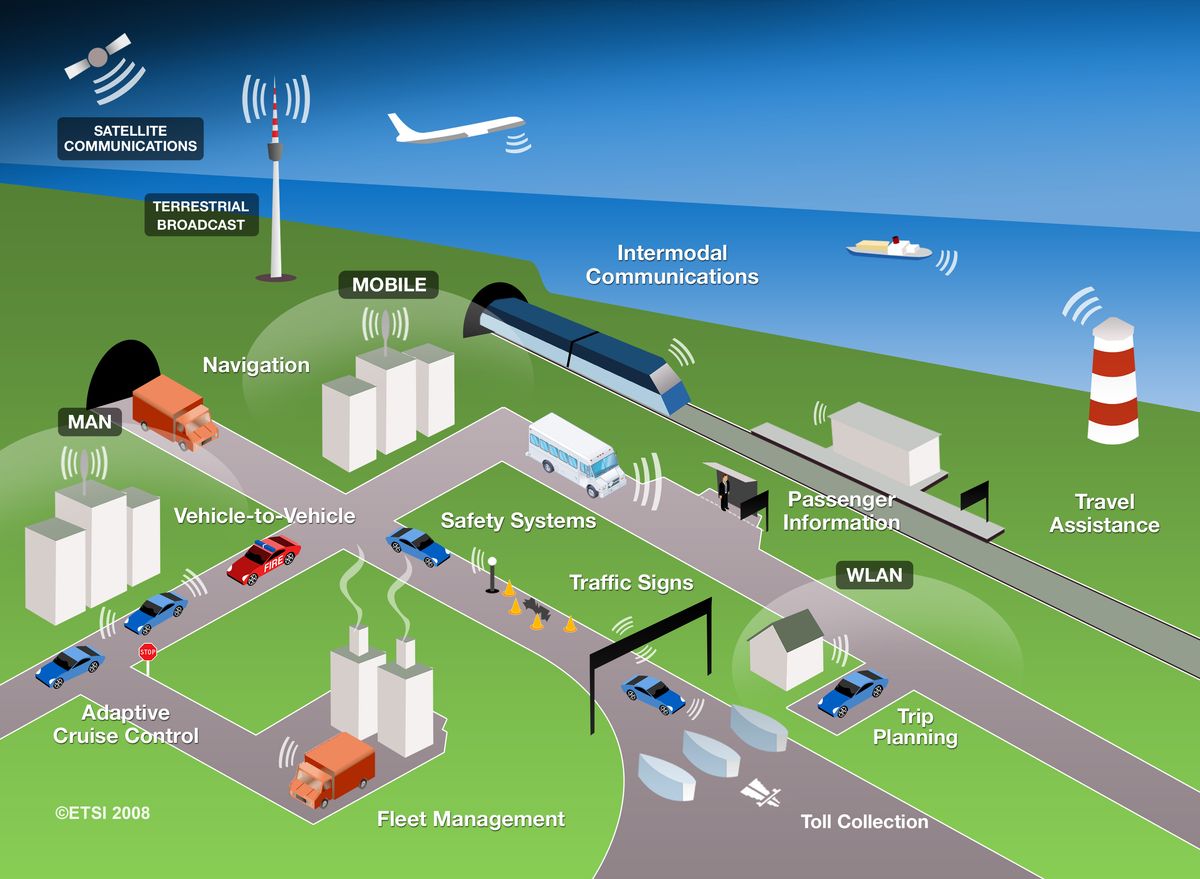
As we embark on the journey of integrating ChatGPT AI into SaaS, it is imperative to recognize the core challenges and opportunities that lie ahead. AI integration in business processes necessitates a readiness assessment, clear objectives, collaboration, and continuous monitoring. Data privacy and security stand as the bedrock for AI analytics success, ensuring trust and compliance in a data-driven ecosystem.
The integration journey is not without its hurdles; however, the potential for transformative change is immense, fostering a culture of innovation and customer-centric solutions.
Understanding the landscape of AI in SaaS involves dissecting the multifaceted aspects of technology and business alignment. Here are some pivotal considerations:
- Establishing a robust readiness assessment framework to gauge AI integration feasibility.
- Defining clear objectives that align with business goals and customer needs.
- Fostering collaboration across departments to ensure a cohesive AI strategy.
- Implementing continuous monitoring to adapt and refine AI functionalities.
These elements are not just a checklist but a strategic approach to unlocking the full potential of AI within SaaS platforms. By addressing these challenges head-on and leveraging the opportunities they present, businesses can pave the way for a future where AI and SaaS exist in a symbiotic relationship, driving growth and innovation.
Strategic Framework for AI Implementation
To harness the transformative power of AI in SaaS, a strategic framework is paramount. A clear roadmap aligns AI-driven SaaS innovation with business objectives, ensuring that every step taken is both purposeful and measurable. This framework should encapsulate the following key elements:
- Identification of AI opportunities that align with core business strategies
- Prioritization of AI projects based on potential impact and feasibility
- Development of a skilled team to drive AI initiatives
- Establishment of ethical guidelines to govern AI deployment
Embrace AI integration strategies for robustness and agility, tailoring solutions to unique business needs for a competitive edge.
The journey of AI integration is not without its challenges. Reskilling workers, selecting the right AI use cases, and developing responsible AI practices are critical hurdles to overcome. Yet, the rewards are substantial, offering startups and enterprises the agility to thrive in a competitive landscape. The table below succinctly captures the essence of a strategic AI implementation plan:
| Phase | Objective | Key Actions |
|---|---|---|
| Discovery | Align AI with business goals | Identify opportunities, assess feasibility |
| Planning | Prioritize and prepare | Select use cases, build a skilled team |
| Execution | Implement and govern | Deploy AI solutions, establish ethical guidelines |
| Review | Measure and refine | Evaluate impact, iterate for improvement |
By adhering to this structured approach, businesses can navigate the complexities of AI integration, fostering an environment where innovation flourishes and customer value is maximized.
Case Studies: Pioneering SaaS AI Integration
The integration of AI into SaaS is not just a trend; it's a revolution that's reshaping the landscape of software services. Integration of AI in business analytics empowers SaaS Performance Analytics with Predictive Analytics and Machine Learning. AI-driven insights enhance decision-making and transform raw data into a competitive edge, guiding strategic decisions for unprecedented growth. Let's delve into some pioneering case studies that illustrate this transformative journey.
One SaaS company leveraged AI to analyze patterns in their infrastructure, identifying reusable services and assessing the productivity of their design teams. This foresight allowed them to anticipate future capabilities and maintain a competitive edge. Another case saw a SaaS firm using AI for rapid personalization at scale, tailoring user experiences by analyzing vast amounts of data to predict customer needs.
The rapid adoption of AI-powered solutions across industries signifies a paradigm shift in how businesses operate, automate processes, and interact with customers.
As we continue to witness the expansion of AI use cases, it's clear that the potential for AI in SaaS is boundless. From anomaly detection to autonomous decision-making, AI is not just an add-on—it's becoming the core of innovative SaaS offerings. Embrace the change, and be part of the movement that's setting the new standard in software development.
Don't miss out on the opportunity to transform your SaaS offerings with AI. Join the innovators who are already reaping the benefits of AI integration and set your business on the path to growth and success. Engage with us to explore how AI can revolutionize your SaaS solutions.
The Transformative Impact of ChatGPT on Software Development
Enhancing Developer Productivity with AI Assistance
The integration of ChatGPT AI into SaaS is revolutionizing the way developers work, ushering in a new era of productivity and innovation. ChatGPT Integration in SaaS is not just a trend; it's a transformative force that is reshaping the landscape of software development. By leveraging ChatGPT AI SaaS Solutions, developers are experiencing unprecedented efficiency gains.
With the advent of ChatGPT for SaaS Productivity, mundane and repetitive tasks are being automated, allowing developers to focus on more complex and creative aspects of their projects. This shift is not only optimizing workflows but also enhancing the overall quality of SaaS applications.
AI-Driven SaaS Platforms ChatGPT are becoming the backbone of modern software development, providing a suite of tools that assist in everything from code generation to quality assurance. Here's how developers are enhancing SaaS with ChatGPT:
- Automating routine code tasks to reduce human error and speed up development cycles.
- Implementing predictive analytics to foresee potential issues and optimize performance.
- Utilizing natural language processing for better code documentation and collaboration.
ChatGPT Enhancements in SaaS Apps are just the beginning. As we continue Building SaaS with ChatGPT AI, we are witnessing a shift towards more Conversational AI in SaaS ChatGPT, which is set to redefine the user experience. The integration of ChatGPT-Powered SaaS Features is not only making software more intuitive but also more responsive to user needs.
Implementing ChatGPT in SaaS goes beyond mere feature enhancement; it's about creating a seamless ecosystem where ChatGPT SaaS Automation Services and Custom ChatGPT SaaS Applications coexist to drive growth and innovation. The future is bright for ChatGPT AI for SaaS Innovation, with SaaS Customer Experience ChatGPT poised to set new benchmarks in user satisfaction.
Are you ready to be part of this transformative journey? Embrace the power of AI and join the ranks of forward-thinking developers who are making a difference. Let's innovate together and create SaaS solutions that not only meet but exceed the expectations of the modern user.
AI-Driven Code Generation and Quality Assurance
The advent of AI-driven code generation and quality assurance marks a pivotal moment in the software development landscape. Generative AI has emerged as a game-changer, not only accelerating the coding process but also enhancing the robustness of software solutions. By automating routine coding tasks, developers are now free to focus on more complex and creative aspects of software design.
The integration of Generative AI into SaaS platforms has led to the creation of adaptive security protocols and automated response systems, fortifying cloud environments against sophisticated cyber threats.
Moreover, the role of Generative AI in maintaining data privacy and compliance is indispensable. It generates synthetic datasets that enable rigorous testing and security improvements without compromising sensitive information. This innovation is a testament to AI's potential to revolutionize cloud security and risk management.
Despite the transformative benefits, it is crucial to acknowledge the challenges that accompany Generative AI. Ethical considerations and the potential for misuse necessitate a robust governance framework to ensure its responsible application. As we harness AI analytics in SaaS companies to drive revenue growth, enhance customer engagement, and optimize operational efficiency, we must also embrace AI for strategic advantage in a data-driven world.
The Evolution of Development Paradigms
The advent of AI-driven automation and the rise of emerging technologies are not just trends; they are powerful forces that are redefining the very fabric of software development. As we delve into the transformative effects of these innovations, we witness a paradigm shift from traditional coding to a future where machines assist in creating complex algorithms and even entire applications.
- The democratization of app development through no-code platforms.
- Reshaping SaaS with AI for enhanced scalability and competitiveness.
- SEPs as a catalyst for streamlined communication and automation.
The integration of AI into SaaS is not merely an enhancement; it is a reinvention of the development process itself.
This evolution is not confined to the technical realm; it extends to the business model, where SaaS companies must now navigate a landscape where agility and adaptability are paramount. The future beckons with the promise of AI's role in fostering innovative business models and ensuring SaaS solutions remain at the forefront of technological advancement. Embrace this journey, and let us explore together how AI can unlock new horizons for your SaaS endeavors. Are you ready to be part of the revolution?
AI-Powered Customer Support: A Paradigm Shift in SaaS

Automating Customer Interactions and Personalization
In the realm of SaaS, personalization at scale is no longer a distant dream but a tangible reality, thanks to the advent of AI. By harnessing the power of AI-driven recommendation engines and meticulous user behavior analysis, SaaS entities are now poised to deliver unparalleled personalized experiences. This is not just about addressing users by name but understanding their unique preferences, and crafting services that resonate on a personal level.
The integration of AI into customer interactions is not merely a technological upgrade; it is a redefinition of customer engagement.
The implementation of custom, reusable AI prompts has revolutionized the way we think about user interfaces. These prompts, devoid of the need for intricate coding, are the keystones in simplifying complex processes and catalyzing business innovation. Imagine the ease with which a customer service agent can access a comprehensive view of a client's escalated cases with a single click, all thanks to a custom AI prompt embedded within a contact record.
The table below encapsulates the transformative effects of AI on customer support within SaaS platforms:
| Aspect | Pre-AI Era | AI-Enhanced Era |
|---|---|---|
| Customer Interaction | Scripted responses | Dynamic, personalized communication |
| Availability | Time-bound support | 24/7 assistance |
| Issue Resolution | Manual troubleshooting | AI-driven predictive support |
As we continue to witness the seamless integration of AI chatbots across platforms like Salesforce and NetSuite, the self-correcting systems and self-service capabilities they bring forth are not just impressive but are reshaping the very fabric of customer service. The future beckons with an expansion of AI use cases, transcending traditional boundaries and venturing into realms of predictive analytics and autonomous decision-making.
Stas Sorokin, a full-stack senior lead developer, is at the forefront of this transformation, offering expert API integration and custom API development services. His extensive experience with various APIs and languages has been instrumental in the successful implementation of AI within reputable organizations. Embrace the future of customer support in SaaS—where every interaction is an opportunity to delight and retain your customers.
Measuring the Impact on Customer Satisfaction
In the realm of SaaS, customer satisfaction is the cornerstone of success. AI analytics revolutionize SaaS by not only enhancing the customer experience but also by providing a granular view of satisfaction metrics. By leveraging AI, companies can now dive deep into customer feedback, systematically categorizing and analyzing sentiments to uncover actionable insights.
The integration of AI into customer support systems allows for the tracking of key performance indicators (KPIs) that directly reflect customer satisfaction. Consider the following table, which illustrates a simplified view of how AI-powered analytics can transform customer satisfaction data into strategic insights:
| KPI | Pre-AI Implementation | Post-AI Implementation |
|---|---|---|
| Customer Satisfaction Score (CSS) | 75% | 85% |
| Net Promoter Score (NPS) | +30 | +45 |
| First Response Time | 5 minutes | 2 minutes |
| Resolution Time | 30 minutes | 20 minutes |
The data speaks volumes: AI's predictive insights and real-time adaptation are not just buzzwords but tangible metrics that drive competitive advantage and growth.
As we continue to harness the power of AI in SaaS, it is imperative to keep a vigilant eye on these metrics. They serve as a beacon, guiding continuous improvement and innovation. To truly understand the ROI of integrating AI into your SaaS platform, one must not only measure but also act on the insights provided by these advanced analytics. The journey towards unparalleled customer satisfaction begins with a single step: embracing the AI analytics revolution.
Future Trends in AI-Enhanced Customer Service
As we peer into the horizon of customer service, the role of AI is not just transformative; it is set to redefine the very fabric of SaaS interactions. The future is one where AI not only responds to customer needs but anticipates them, crafting a customer journey so seamless that it feels almost prescient. The integration of AI into customer support systems is a revolution in progress, with businesses harnessing the power of AI to deliver unparalleled customer experiences.
The expansion of AI use cases within SaaS is inevitable, as AI and ML algorithms grow in sophistication. From predictive analytics to autonomous decision-making, the possibilities are boundless.
Advancements in Natural Language Processing (NLP) will further refine the customer service landscape. Chatbots and virtual assistants, empowered by NLP, will engage in more natural and intuitive interactions, offering personalized support that scales with customer demand. This is not just a leap forward; it's a leap towards a future where customer satisfaction is not just met but exceeded.
The table below encapsulates the anticipated trends in AI-enhanced customer service:
| Trend | Description |
|---|---|
| Personalization at Scale | Leveraging AI to provide tailored experiences to a vast number of customers simultaneously. |
| Data Privacy and Security | Greater emphasis on protecting customer data as AI systems handle sensitive information. |
| Cybersecurity Insights | Using AI to preemptively identify and mitigate potential security threats. |
| Self-Service Enablement | AI chatbots facilitating common customer queries and functions, promoting self-service. |
As we embrace these trends, it is crucial to remain vigilant about the ethical implications and the need for bias mitigation. The future of AI in customer service is not just about technological prowess; it's about fostering trust and ensuring equity in every interaction. To stay ahead of the curve, consider partnering with an AI developer offering comprehensive AI services, from AI-powered web apps to chatGPT chatbots, and beyond. Embrace the future—where your SaaS not only meets the current demands but leads the charge into tomorrow's possibilities.
The Synergy of AI and SaaS in Human Resource Management
Streamlining Recruitment and Onboarding Processes
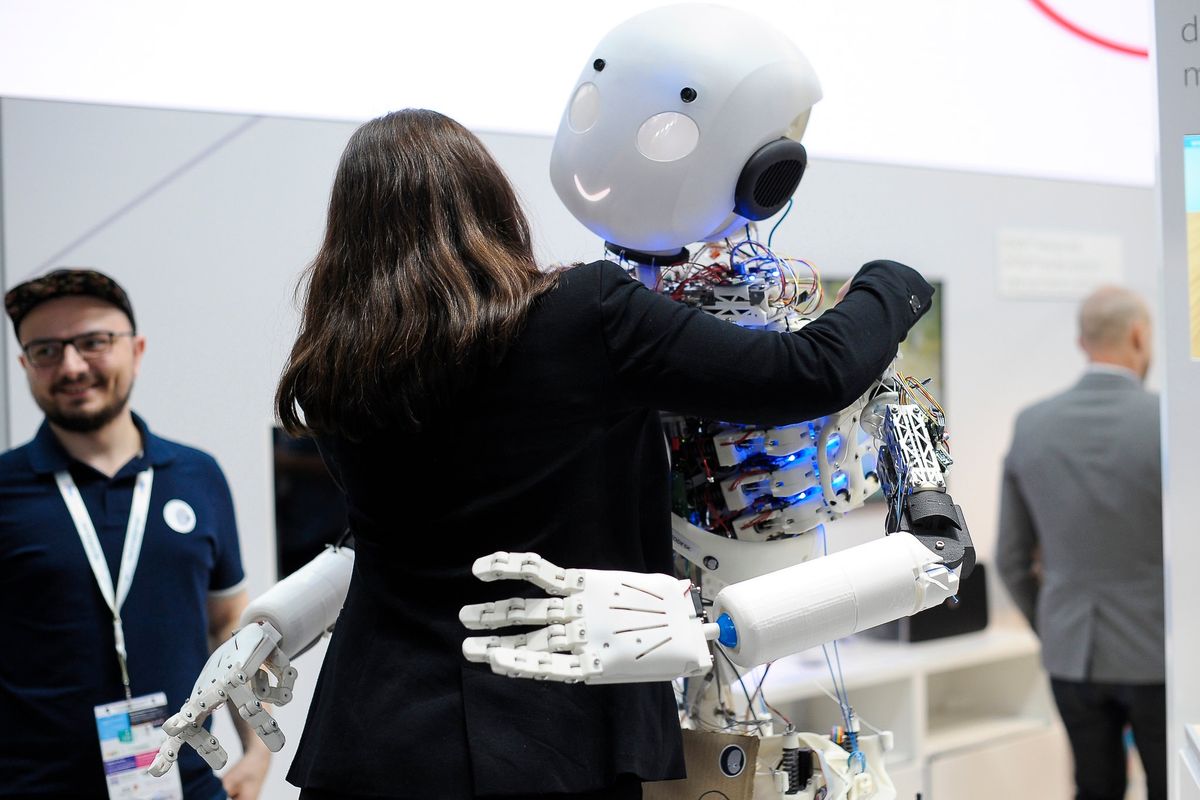
In the quest to Integrate AI for data-driven transformation in SaaS, organizations are discovering the unparalleled efficiency of AI in streamlining recruitment and onboarding. The traditional hiring labyrinth, notorious for its time-consuming and resource-heavy nature, is being reshaped by AI's adaptive learning and deep analytics capabilities.
The integration of AI into recruitment processes not only accelerates the hiring cycle but also enhances the quality of talent acquisition, setting a new benchmark for operational excellence in human resource management.
With predictive insights, companies are now able to identify the best candidates faster and with greater accuracy. This strategic agility is not just a boon for HR departments but also a competitive advantage in the digital market. Consider the following benefits that have been reported:
- Time Efficiency: A reduction in time-to-hire by up to 20%.
- Quality of Hire: Improved candidate matching leads to higher quality hires.
- Scalability: Automation software effortlessly scales with company growth.
As we embrace this transformative journey, let us not forget the call to action for every SaaS enterprise: to harness the power of AI in revolutionizing recruitment and onboarding, thereby optimizing sales and fortifying market position.
Data-Driven Employee Engagement and Retention
In the realm of SaaS, where human capital is as crucial as technological innovation, data-driven strategies for employee engagement and retention have become paramount. By harnessing the power of analytics, companies can uncover deep insights into employee behavior, satisfaction, and performance, leading to more informed decision-making.
The integration of AI into these processes allows for the identification of patterns and trends that would otherwise remain obscured by the complexity of human dynamics.
A key component of this approach is the utilization of employee advocacy software, which empowers staff to become brand ambassadors. This not only enhances engagement but also extends the company's reach through the employees' networks. The following points illustrate the benefits of such software:
- Amplifies brand messaging through trusted voices
- Encourages a culture of collaboration and shared success
- Provides a platform for employees to share their achievements and learning experiences
To truly capitalize on these benefits, it is essential to measure the impact of these strategies on overall business performance. This can be achieved through key performance indicators (KPIs) such as employee net promoter score (eNPS), retention rates, and productivity metrics. By doing so, businesses can create a virtuous cycle of engagement that not only retains talent but also attracts new one.
In conclusion, the future of SaaS hinges on the ability to maintain a highly engaged workforce. As we continue to explore the intersection of AI and human resource management, let us remember the words of Stas Sorokin, a Pro Freelancer, who emphasizes the importance of a tailored approach to software development and the exceptional learning experiences it can yield. To stay ahead, consider how your organization can leverage these data-driven strategies to foster a culture of continuous engagement and growth.
Ethical Considerations and Bias Mitigation
In the realm of AI-driven automation, particularly in software development, the pursuit of efficiency, quality, and productivity must be balanced with a steadfast commitment to ethical standards. AI principles must be woven into the fabric of the development lifecycle to ensure that the technologies we create serve the greater good and do not perpetuate or exacerbate existing biases.
The integration of AI into SaaS, especially in human resource management, demands a vigilant approach to ethical considerations. It is not merely about compliance with regulations but about fostering a culture of responsibility and inclusivity.
To this end, a structured approach to bias mitigation is essential. Here are some key steps:
- Conducting thorough bias audits on datasets
- Implementing diverse training data
- Regularly reviewing and updating AI models
- Engaging multidisciplinary teams for oversight
These steps, while not exhaustive, represent the foundational actions towards ensuring that AI systems are fair and equitable. As we continue to innovate and integrate AI into SaaS, let us not lose sight of the human element. We must strive to create technology that empowers and includes, rather than alienates or discriminates. Join us in this journey and be a part of shaping an ethical AI-powered future.
Envisioning the Future: AI's Role in Next-Generation SaaS

Innovative Business Models Enabled by AI
The integration of AI into SaaS is not just transforming existing business models; it's creating entirely new ones. AI data analysis SaaS tools are at the forefront of this revolution, providing a competitive edge by revealing insights, predicting trends, and enabling proactive decision-making. These tools are essential for SaaS growth and competitive strategies, marking a shift from reactive to predictive business models.
The synergy between AI and SaaS is catalyzing a new wave of business efficiency and innovation, with AI-powered mobile SaaS applications leading the charge.
Collaboration between SaaS companies and AI startups is expected to intensify, fostering an ecosystem where innovation thrives. This partnership is a strategic move to harness advanced AI capabilities, ensuring that SaaS offerings remain cutting-edge and highly relevant.
- Rapid adoption of AI-powered solutions
- Expansion of AI use cases
- Personalization at scale
As we witness the rise of AI in SaaS, it's crucial for businesses to stay informed and agile. Embrace the change, leverage the new tools at your disposal, and prepare to redefine the landscape of your industry.
The Role of AI in SaaS Scalability and Agility
In the dynamic world of SaaS, scalability and agility are not just buzzwords but the cornerstones of success. AI is the catalyst that transforms these concepts into tangible outcomes, enabling firms to adapt and thrive in an ever-evolving market. By leveraging AI, SaaS companies can anticipate needs, streamline operations, and deliver innovative services at an unprecedented pace.
- Predictive Analytics: AI's ability to analyze vast datasets allows for predictive insights, ensuring resources are allocated efficiently for growth.
- Microservices Architecture: AI informs the development of microservices, identifying reusable patterns that enhance team productivity.
- Autonomous Decision-Making: With AI, SaaS platforms can make autonomous decisions, reducing the time from concept to deployment.
The integration of AI into SaaS is not just about automation; it's about reimagining the possibilities of what SaaS can achieve. It's about building a future where services are not only scalable and agile but also intuitively aligned with the evolving needs of customers and the market.
As we look to the horizon, the expansion of AI use cases within SaaS offerings is inevitable. From sales forecasting to anomaly detection, AI is set to redefine the landscape of SaaS capabilities. The rapid adoption of AI-powered solutions is a testament to the transformative power of this technology. Embrace AI, and let it be the driving force behind your SaaS platform's scalability and agility. Join us on this journey and unlock the full potential of your software solutions.
Preparing for the AI-Driven SaaS Ecosystem
As we stand on the brink of an AI revolution, SaaS companies must embrace the transformative power of AI to remain competitive and innovative. The integration of AI into SaaS is not merely an enhancement of current capabilities; it's a fundamental shift that requires a strategic approach to harness its full potential. To thrive in the AI-driven SaaS ecosystem, businesses should focus on the following key areas:
- Select scalable AI solutions for future-proofing business.
- Embrace continuous learning and predictive analytics for optimizing customer experience.
- Transition to proactive customer engagement with SaaS Analytics Solutions.
The synergy between AI and SaaS is shaping the future of business solutions, and the time to act is now.
Collaboration with AI startups, a focus on data privacy, and the adoption of a modern, nimble architecture are essential steps in this journey. As AI continues to evolve, staying ahead means being prepared to pivot and adapt with agility. The future belongs to those who can leverage AI to create more personalized, efficient, and secure services. Are you ready to be part of the AI-driven future?
Conclusion
The integration of ChatGPT AI into SaaS platforms signifies a pivotal shift in the software development paradigm, heralding a future where innovation is not only anticipated but seamlessly woven into the fabric of digital solutions. This journey from conceptualization to deployment encapsulates a spectrum of transformative impacts, from enhancing customer support to revolutionizing mobile app development and HR processes. As we have seen, the potential of generative AI like ChatGPT is vast, driving agility and competitive advantage for businesses that embrace its capabilities. The academic discourse surrounding AI's role in SaaS underscores the importance of a modern, microservices architecture and the strategic implementation of AI to maximize team productivity and service delivery. As developers harness AI to steer industries through this technological revolution, the promise of AI-infused SaaS tools in shaping the future of business solutions becomes increasingly tangible. The ongoing evolution of AI within SaaS is not just a testament to technological advancement but a beacon for the next generation of innovation in software development.
Frequently Asked Questions
What are the foundational strategies for integrating AI like ChatGPT into SaaS platforms?
Foundational strategies include identifying core challenges and opportunities, developing a strategic framework for AI implementation, and analyzing pioneering case studies for insights on successful SaaS AI integration.
How does ChatGPT enhance developer productivity within software development?
ChatGPT can assist developers by providing AI-driven code suggestions, automating repetitive tasks, offering debugging help, and improving code quality through intelligent quality assurance processes.
What impact does AI-powered customer support have on SaaS businesses?
AI-powered customer support can significantly enhance user experience through automation, personalization, and improved response times, leading to increased customer satisfaction and retention.
In what ways is AI transforming HR management within SaaS companies?
AI is revolutionizing HR management by streamlining recruitment, enhancing onboarding experiences, driving data-driven employee engagement strategies, and helping mitigate biases in HR processes.
What future trends can we expect in AI-enhanced customer service for SaaS?
Future trends may include advanced personalization, predictive support, deeper integration with other services, and the use of AI to understand and predict customer needs and behavior patterns.
How is AI contributing to the scalability and agility of SaaS platforms?
AI contributes to SaaS scalability by automating service delivery, optimizing infrastructure, and providing insights for decision-making. It enhances agility by enabling rapid adaptation to user feedback and market changes.
Comments
Post a Comment