Unleashing the Future: The Journey of ChatGPT AI from Concept to Deployment in SaaS and Software Development
The emergence of ChatGPT AI represents a significant milestone in the field of generative AI, marking the transition from experimental technology to practical applications in SaaS and software development. This article explores the journey of ChatGPT from its conceptual beginnings to its strategic deployment, highlighting the transformative impact it has on enterprises and the broader software industry. We delve into the evolution, deployment strategies, enterprise engagement, and future trends of AI, ensuring readers are informed about the cutting-edge developments and best practices.
Key Takeaways
- ChatGPT's journey from concept to deployment showcases the rapid evolution of generative AI and its integration into SaaS platforms, revolutionizing software development.
- The strategic deployment of ChatGPT involves careful consideration of security and privacy, with successful case studies from early adopters like The Estee Lauder Companies and Zapier.
- Enterprises that were initially hesitant to adopt AI are now embracing ChatGPT, influenced by its marketing and the practical benefits it delivers in automating complex tasks.
- Generative AI is expected to accelerate in deployment across various industries, with ChatGPT paving the way for future advancements and applications beyond its current capabilities.
- Private instances of ChatGPT, such as those provided by Microsoft Azure, offer enhanced data security but at a higher cost, reflecting the diverse needs and priorities of enterprises.
The Evolution of Generative AI: Charting the Course of ChatGPT
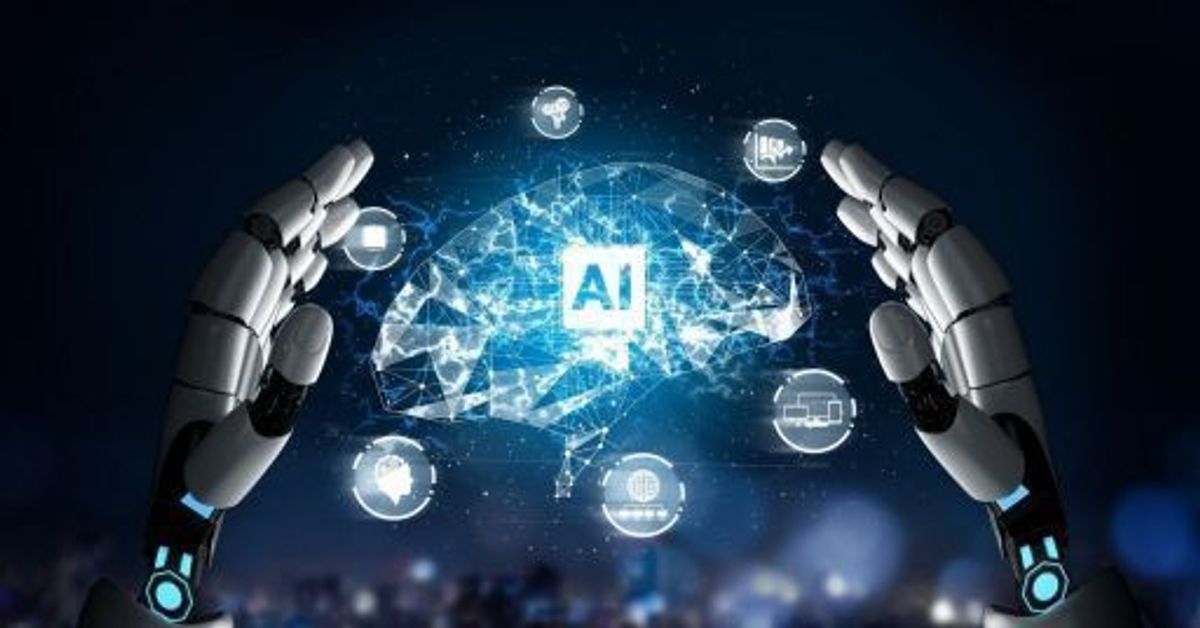
Milestones in ChatGPT's Development
The journey of ChatGPT is a testament to the rapid evolution of generative AI. Within a mere 12 months, this breakthrough technology has not only captivated public imagination but also reshaped the landscape of AI-powered applications. Here's a glimpse into the pivotal moments that have marked the ascent of ChatGPT:
- Nov. 30, 2022: OpenAI unveils ChatGPT, running on GPT-3.5, to the world.
- Dec. 5, 2022: ChatGPT reaches a milestone of 1 million users in just five days.
- Dec. 10, 2022: OpenAI's CEO cautions against overreliance on ChatGPT for critical tasks.
- July 3, 2023: OpenAI limits ChatGPT's browsing capabilities following user feedback.
- July 6, 2023: The Code Interpreter tool is launched, enhancing ChatGPT's functionality for Plus users.
- July 11, 2023: The release of Claude 2 by Anthropic, showcasing improved coding abilities.
As we reflect on these milestones, it becomes clear that the path of ChatGPT is not just about technological prowess but also about navigating the complex interplay of innovation, user experience, and ethical considerations.
The implications of these developments are profound for anyone involved in software development, particularly for those specializing in AI-powered applications. As we continue to witness the unfolding narrative of ChatGPT, let us engage with the technology not just as passive observers but as active participants shaping its trajectory. Are you ready to be part of this transformative journey?
The Role of Reinforcement Learning with Human Feedback
The advent of ChatGPT marked a significant leap in the evolution of automation tools in software engineering. From rudimentary scripts to sophisticated AI-driven systems, the integration of AI has revolutionized development processes. Reinforcement Learning with Human Feedback (RLHF) stands as a cornerstone in this transformative journey, enhancing both speed and reliability of AI applications.
Reinforcement Learning with Human Feedback is not just a technical advancement; it's a paradigm shift that marries the precision of algorithms with the nuance of human judgment.
The RLHF approach involves a cyclical process where AI models, like ChatGPT, are initially trained on vast datasets and then refined through human interaction. This iterative process ensures that the AI's responses are not only accurate but also contextually relevant and ethically aligned. Here's a glimpse into the RLHF cycle:
- Initial model training on diverse data sources
- Deployment in a controlled user environment
- Collection of user feedback and model outputs
- Human experts evaluate and adjust the model's responses
- Integration of the refined model for improved performance
This method has been pivotal in propelling ChatGPT from a public novelty to a serious enterprise solution, addressing ethical considerations and elevating the quality of AI interactions. As we continue to witness the integration of AI in software development, it is crucial to acknowledge the role of RLHF in shaping a future where technology and human expertise coalesce to create systems that are not only efficient but also responsible.
From Public Excitement to Enterprise Adoption
The leap from public excitement to enterprise adoption of AI technologies like ChatGPT is a testament to the transformative potential AI holds for businesses. As AI analytics drive revenue growth and customer engagement, SaaS companies are witnessing a paradigm shift. The integration of AI into their ecosystems is not just a trend but a strategic move to harness personalized insights and predictive analytics for enhanced user experiences.
The journey of AI from a public spectacle to an enterprise staple involves navigating concerns around security, privacy, and compliance. Enterprises are now architecting flexible, AI-driven systems that prioritize these aspects while unlocking high-value use cases for productivity.
Here's a glimpse into the enterprise AI adoption landscape:
- Concerns and maturity levels vary across industries.
- Security and compliance are top priorities.
- AI is being leveraged for connecting data and capabilities.
- Managing risks associated with AI, such as inaccuracies and hallucinations, is crucial.
As we witness the mainstreaming of AI, it's imperative for enterprises to balance optimism with a realistic assessment of AI's capabilities and limitations. The success of AI in enterprise settings hinges on practical steps that address these concerns head-on. Remember, AI analytics drive revenue growth and are not just a buzzword but a reality shaping the future of SaaS companies.
Strategic Deployment of ChatGPT in SaaS Ecosystems
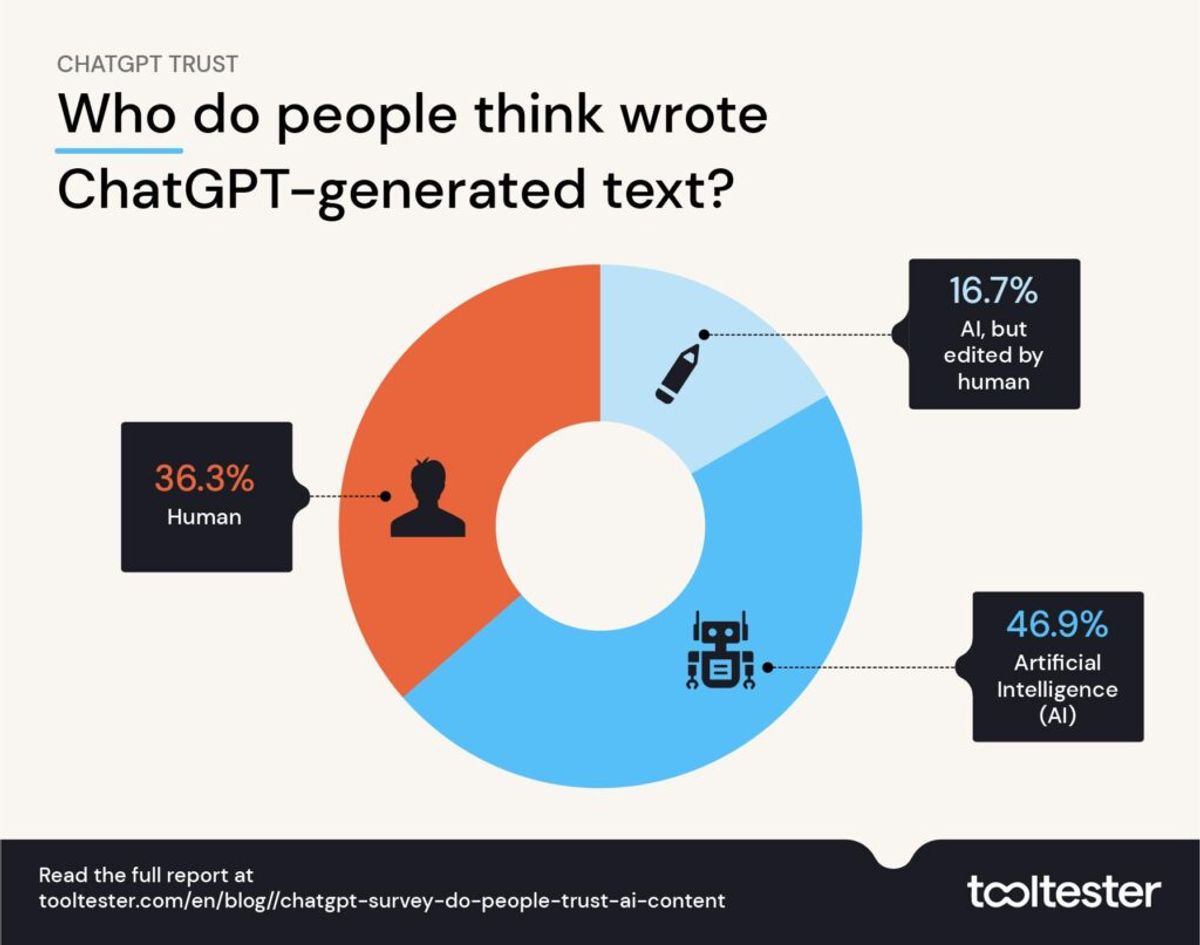
Integrating ChatGPT with Existing SaaS Platforms
The integration of ChatGPT into SaaS platforms heralds a new era of SaaS Innovation with ChatGPT, where the boundaries of customer engagement and service delivery are being redrawn. ChatGPT AI SaaS Solutions are not just a futuristic concept but a present-day reality, enhancing SaaS with ChatGPT to deliver unprecedented productivity gains.
The seamless fusion of ChatGPT for SaaS Productivity into existing platforms is transforming the landscape of SaaS offerings, making AI-Driven SaaS Platforms ChatGPT the new standard for industry excellence.
ChatGPT Enhancements in SaaS Apps are being rapidly adopted, with companies like The Estée Lauder Companies and PwC leading the charge. Building SaaS with ChatGPT AI is no longer an option but a necessity for staying competitive. Here's how organizations are implementing ChatGPT in SaaS:
- ChatGPT-Powered SaaS Features are being integrated to provide a more intuitive user experience.
- ChatGPT SaaS Automation Services are streamlining operations, reducing the need for manual intervention.
- Custom ChatGPT SaaS Applications are being developed to cater to specific business needs.
The result is a SaaS Customer Experience ChatGPT that is more personalized and efficient. As we witness ChatGPT AI for SaaS Innovation unfold, it is clear that the future belongs to those who embrace these transformative technologies. Are you ready to be part of this revolution? Engage with us to explore how your SaaS platform can benefit from ChatGPT's capabilities.
Security and Privacy Considerations in ChatGPT Deployment
In the AI era, businesses leverage OpenAI Feather and SIU Business GPT Fleet for a competitive edge. However, the deployment of ChatGPT in SaaS ecosystems raises significant security and privacy concerns. The revelation that ChatGPT could inadvertently expose user data underscores the need for robust safeguards, especially in industries bound by stringent regulatory requirements.
To mitigate these risks, organizations are exploring various deployment models:
- Private instances, such as those provided by Microsoft Azure, ensure that data remains isolated, with the assurance that inputs, outputs, and training data are not shared with other customers or used to enhance other products or services.
- On-premises solutions offer the highest level of control, confining sensitive data within the physical boundaries of the organization.
The balance between accessibility and privacy is delicate; enterprises must navigate this terrain with precision to harness the full potential of ChatGPT without compromising security.
The cost of these enhanced security measures can be substantial, but they are a necessary investment for businesses in regulated sectors. As OpenAI prepares to launch ChatGPT for Business, the promise that corporate data "will not be used to train models by default" may alleviate some concerns. Yet, the specter of privacy breaches looms large, particularly for businesses operating under strict data protection laws.
Case Studies: Early Adopters and Their Outcomes
The early adopters of ChatGPT in the SaaS realm have illuminated the path for others, showcasing tangible benefits and setting benchmarks for success. AI-driven analytics revolutionize SaaS growth by predicting market trends, enhancing strategic agility, and optimizing sales processes for sustained business growth and customer satisfaction.
The journey of integrating ChatGPT into SaaS platforms is not without its challenges, yet the outcomes speak volumes about its transformative potential.
Among the pioneers, we've observed a pattern of strategic deployment, with a focus on identifying high-value use cases and architecting flexible, future-proof systems. These enterprises have not only embraced AI for productivity but have also navigated the complexities of managing risks associated with inaccuracies and hallucinations.
| Enterprise | High-Value Use Case | Outcome |
|---|---|---|
| Box | Data Connectivity | Enhanced user experience and streamlined workflows |
| Salesforce | Sales Optimization | Increased conversion rates and customer insights |
As we delve into the narratives of these trailblazers, we invite you to consider how ChatGPT could redefine the horizons of your own business. Embrace the AI revolution with a strategic mindset and join the ranks of those who have already reaped the rewards.
Overcoming Hesitations: ChatGPT's Impact on Enterprise AI Engagement

Pre-ChatGPT Apprehensions in the Enterprise Realm
Before the advent of ChatGPT, enterprises were navigating a landscape rife with AI apprehensions. The hesitation stemmed from a myriad of concerns, ranging from ethical considerations to the practicalities of integrating AI into existing workflows. Ethical use of AI in business practices is crucial for trust and social impact, a sentiment echoed across industries.
The promise of AI analytics for a strategic advantage was often overshadowed by the challenges in AI implementation, which is key for data-driven decision-making. Enterprises grappled with questions of privacy, fearing the leakage of proprietary information and personal user data to third parties. This was particularly poignant for businesses in regulated industries or jurisdictions with stringent data protection laws.
The deployment of AI solutions like ChatGPT has been a balancing act between harnessing their potential and mitigating risks. The journey towards adoption has been cautious, but the tide is turning as solutions evolve to address these concerns.
As we delve deeper into the transformative impact of ChatGPT, it's imperative to understand the initial enterprise hesitations. Only by acknowledging these can we appreciate the strides made and the path forward. Let's continue to explore how ChatGPT is reshaping the enterprise AI landscape, and remember, the future is a dialogue we shape together.
Marketing AI vs. Actual AI: Dissecting the ChatGPT Phenomenon
In the realm of SaaS, the distinction between marketing AI and actual AI has become increasingly blurred. The ChatGPT phenomenon, a watershed moment in Conversational AI in SaaS ChatGPT, has been a catalyst for this conflation. The hype surrounding ChatGPT's capabilities has often overshadowed the practical applications and limitations of the technology.
The surge in interest and the rush to adopt AI in enterprise settings post-ChatGPT has raised critical questions about the genuine readiness of organizations to integrate such advanced technologies.
While the excitement is palpable, it is essential to dissect the phenomenon and understand the substance behind the spectacle:
- The initial hesitation of enterprises to embrace AI was largely due to a lack of understanding and trust in the technology.
- ChatGPT's public release and subsequent marketing efforts have significantly shifted perceptions, making AI more approachable.
- However, enterprises today remain cautious, seeking clarity on the tangible benefits versus the potential risks of AI deployment.
As we continue to explore the depths of AI's potential, let us not be swayed solely by the allure of marketing narratives. Instead, let's commit to a rigorous analysis of AI's actual impact on our businesses and industries. Stay informed, stay critical, and join us as we delve deeper into the transformative journey of AI in the SaaS ecosystem.
The Shift in Enterprise Attitudes Towards AI Post-ChatGPT
The advent of ChatGPT has marked a watershed moment in enterprise AI engagement. Businesses are now actively seeking to leverage AI for data insights, predictive analytics, and machine learning in their operations. This shift is characterized by a newfound eagerness to integrate AI strategically, build AI literacy among staff, and adapt to real-time data for agile decision-making. The transformation is palpable across various sectors, with companies reevaluating their approaches to AI deployment.
The initial hesitation has given way to a proactive stance on AI, with enterprises recognizing the imperative to stay competitive in a rapidly evolving digital landscape.
The following points encapsulate the post-ChatGPT enterprise mindset:
- Embracing AI as a core component of digital transformation strategies.
- Prioritizing the development of in-house AI expertise and knowledge.
- Acknowledging the need for robust security and privacy measures in AI applications.
As we continue to monitor the impact of ChatGPT and other AI technologies, it is clear that the conversation has shifted from 'if' to 'how' AI will be integrated into business ecosystems. The call to action for enterprises is unequivocal: Integrate AI strategically, build AI literacy, and adapt to real-time data for agile decision-making. Stay informed and engaged with the latest AI developments to ensure your organization remains at the forefront of this transformative era.
Navigating the Future: Trends and Predictions in AI Deployment
The Acceleration of AI Deployment Across Industries
The integration of Artificial Intelligence (AI) into various sectors is not just a trend; it's a comprehensive overhaul of traditional business paradigms. Industries are rapidly adopting AI to stay competitive, harnessing its potential to drive innovation and efficiency. This acceleration is evident across the board, from healthcare's predictive diagnostics to finance's algorithmic trading, and the implications are profound.
- Healthcare: Enhancing patient care with predictive analytics
- Finance: Streamlining operations through algorithmic trading
- Manufacturing: Optimizing supply chains with intelligent automation
- Retail: Personalizing customer experiences with AI-driven insights
- Transportation: Improving safety and efficiency with autonomous systems
The transformative power of AI is not just reshaping industries; it's redefining the very fabric of how businesses operate and create value.
As we witness this surge in AI deployment, it's crucial for business decision-makers to stay informed and agile. The landscape is evolving at a breakneck pace, and those who can adeptly navigate this new terrain will emerge as leaders of the digital age. Embrace the journey, and let AI be your compass in this uncharted territory. Are you ready to be at the forefront of this revolution?
Emerging Trends in AI: Beyond ChatGPT
As the AI landscape continues to flourish, trends beyond the ChatGPT phenomenon are shaping the future of technology. The integration of AI into diverse sectors is not just inevitable, it's already underway. With each leap forward, the potential for AI to revolutionize industries grows exponentially.
- AI in Healthcare: Personalized medicine and early diagnostics are becoming more precise with AI's ability to analyze vast datasets.
- AI in Finance: Risk assessment and fraud detection systems are evolving to be more robust and efficient.
- AI in Education: Adaptive learning platforms are tailoring educational content to individual student needs.
The synergy between AI and human creativity is unlocking new horizons, fostering innovations that were once the realm of science fiction.
The rapid deployment of AI technologies is not without its challenges, but the rewards promise to be transformative. As we navigate this exciting era, staying informed and agile will be key to harnessing the full potential of AI. Engage with us as we explore these emerging trends and chart a course through the evolving landscape of artificial intelligence.
Predictive Insights: The Next Frontier in AI Evolution
As we stand on the precipice of a new era in artificial intelligence, the focus shifts to predictive insights, a domain where AI not only reacts to inputs but anticipates needs and outcomes. This evolution marks a significant leap from generative capabilities to prescient analytics, transforming how businesses strategize and operate.
The transformative potential of AI is not just a promise; it's an unfolding reality. Enterprises that harness predictive insights are poised to leapfrog the competition, turning data into a crystal ball of actionable intelligence.
The journey towards predictive insights involves several key steps:
- Identifying high-value use cases that can benefit from predictive analytics
- Architecting flexible, future-proof AI systems that can adapt to evolving data landscapes
- Managing risks associated with AI inaccuracies and hallucinations to ensure reliable forecasts
The Bles Software website discusses AI-driven automation and emerging technologies in the software development industry, emphasizing the efficiency, quality, and transformative potential of AI and quantum computing. As we embrace this new frontier, it is crucial to balance optimism with a grounded approach to AI's capabilities and limitations.
Join us in exploring the vast possibilities of AI and predictive insights. Engage with our content, share your thoughts, and be part of the conversation that shapes the future of technology.
Conclusion
The ascent of ChatGPT AI from its conceptual roots to its current role as a transformative force in SaaS and software development encapsulates a remarkable journey of innovation and application. Its rapid adoption and integration into various platforms underscore the vast potential of generative AI to revolutionize how we interact with technology and harness its capabilities. As we reflect on the milestones achieved—from the public release of ChatGPT to its enterprise-level deployment—we recognize the importance of staying abreast with the evolving landscape of AI. The ongoing dialogue surrounding AI's mainstream acceptance and the ethical considerations it raises continues to shape the future of this technology. In this era of rapid technological advancement, it is imperative for organizations to remain vigilant and adaptable, leveraging AI responsibly to drive progress and maintain a competitive edge in an increasingly digital world.
Frequently Asked Questions
What are the key milestones in the development of ChatGPT?
Key milestones include the public release of ChatGPT on Nov. 30, 2022, reaching 1 million users in five days, and the launch of ChatGPT Enterprise on Aug. 28, 2023, with enhanced security and privacy features for businesses.
How has ChatGPT impacted enterprise adoption of AI?
ChatGPT has mainstreamed AI within enterprises, overcoming initial hesitations by showcasing practical applications and generating widespread interest in AI adoption.
What are the security and privacy considerations for deploying ChatGPT in SaaS?
Security considerations include data leak prevention and ensuring that inputs and outputs remain private, as seen with Microsoft Azure's private instance of ChatGPT and Morgan Stanley's deployment on private servers.
What is the significance of reinforcement learning with human feedback in ChatGPT's development?
Reinforcement learning with human feedback has been pivotal in refining ChatGPT's responses, making it the most advanced large language model at its launch, as noted by Aaron Levie.
Can you provide examples of early adopters of ChatGPT and their outcomes?
Early adopters include The Estée Lauder Companies, PwC, Canva, and Zapier, which have integrated ChatGPT to enhance their services with AI's capabilities.
What are the emerging trends in AI deployment following the introduction of ChatGPT?
Following ChatGPT's introduction, there is an acceleration of AI deployment across industries, with a focus on predictive insights and private AI instances for enhanced data control.
Comments
Post a Comment